

What Really Cleans in Your Detergent? Pollet Explains!
From surfactants to probiotics
Behind every cleaning product, several technologies are often at work. Some help loosen dirt, others target specific types of soiling or extend the cleaning action. At Pollet, our expertise is built on a thorough understanding of these different approaches and how they complement one another.
Surfactants: removing dirt and soiling
Surfactants, also known as surface-active agents, help reduce the surface tension of water. This makes it easier to suspend dirt and remove it from surfaces.
Traditional surfactants come from conventional chemistry. There are also surfactants of plant or mineral origin, made from raw materials such as sugars or oils. Their role in cleaning is similar, but their origin and production methods differ.


Enzymes: targeting specific types of soiling
Enzymes are proteins that help break down specific types of soiling. Depending on their type, they can act on different stains or deposits.
They are often combined with surfactants, which contribute to the cleaning action. These two technologies complement each other: enzymes target specific types of soiling, while surfactants make them easier to remove.


Biosurfactants: molecules produced by microorganisms
Biosurfactants are molecules produced by beneficial microorganisms, particularly through fermentation. Like other surfactants, they contribute to the cleaning action. Their benefits include their bio-based origin and biodegradability.
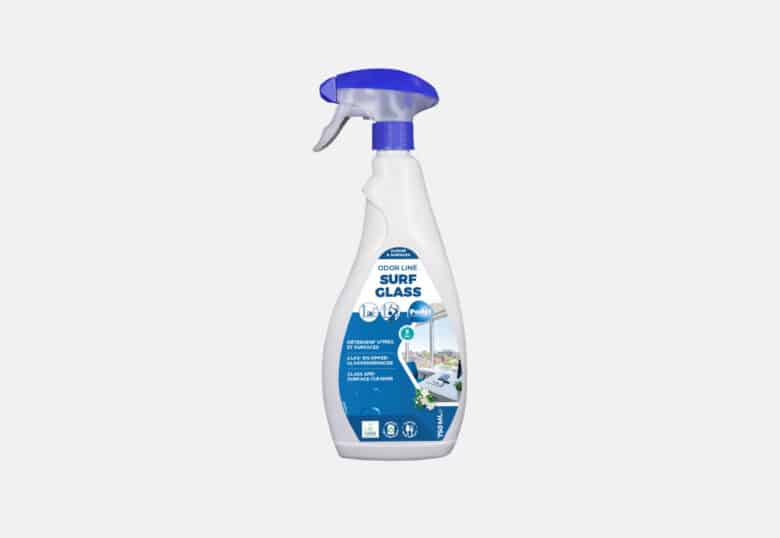
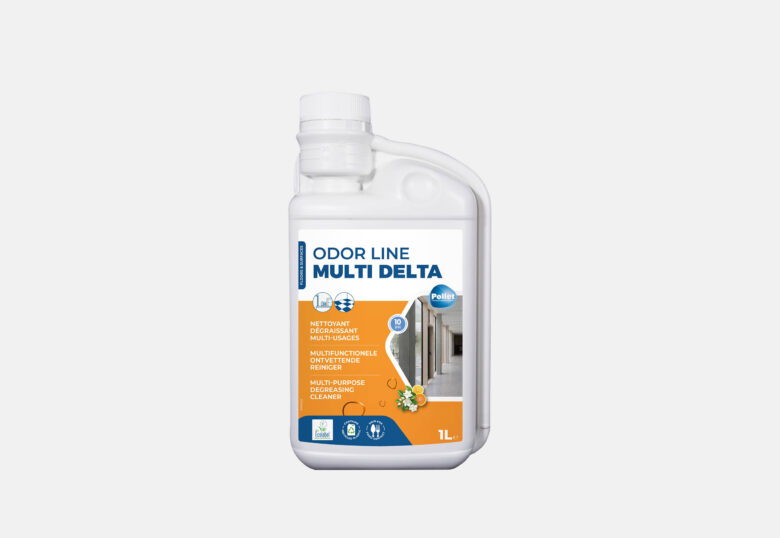
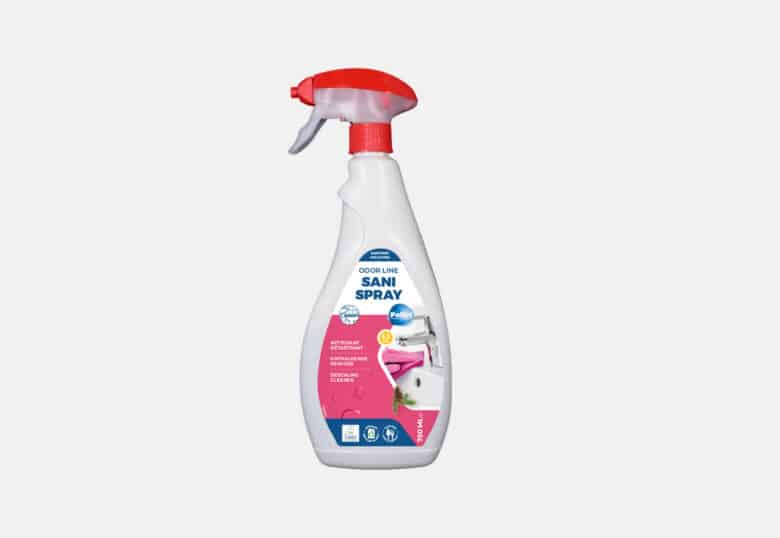
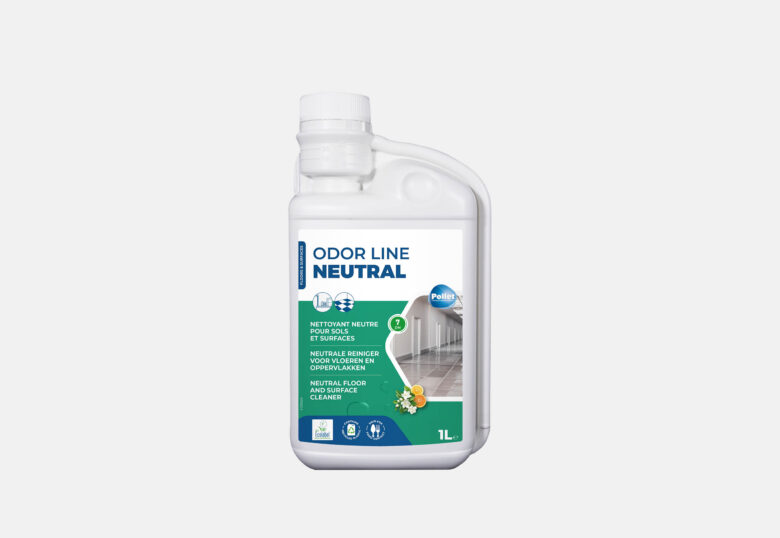
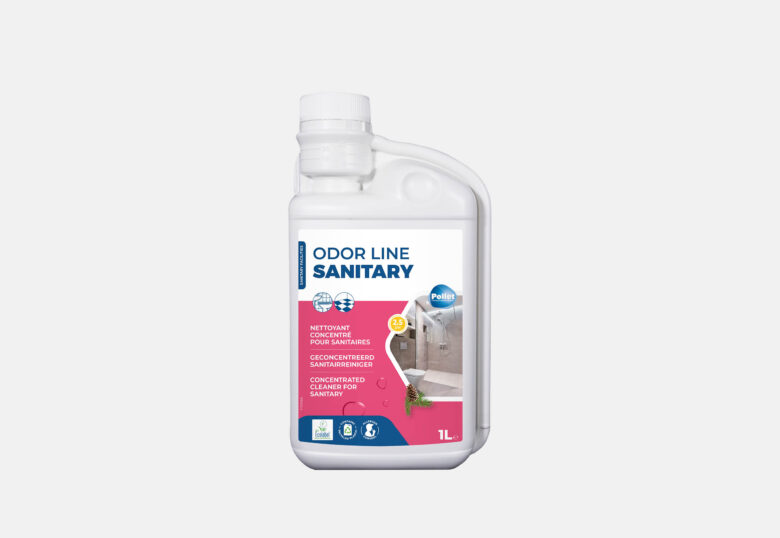
They can notably be found in Pollet’s Odor Line range.

Probiotics: a gradual, ongoing action
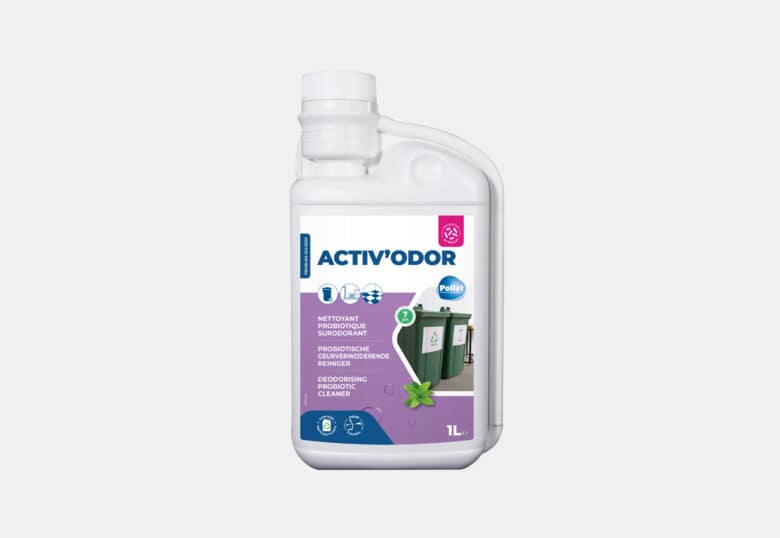
Unlike biosurfactants, which are molecules produced by microorganisms, probiotics are living microorganisms. Once applied to a surface, they grow and produce enzymes that help break down dirt and soiling.
Their action is gradual and continuous, lasting from several hours to several days. Probiotic detergents are not disinfectants: they are designed to clean and do not replace disinfection protocols. They are particularly relevant in healthcare environments when hygiene protocols are adapted accordingly.


Complementary technologies
These approaches are not mutually exclusive. A detergent can combine several technologies to meet a specific cleaning need.
- Surfactants make dirt and soiling easier to remove.
- Enzymes target specific deposits.
- Probiotics can extend the cleaning action over time.
Mastering these technologies makes it possible to select and combine solutions according to the application, surface and type of soiling to be treated. This expertise guides the development of Pollet’s product ranges, from conventional detergents to enzymatic and probiotic solutions.
Looking for the right technology for your needs? Contact us!
Every environment and type of soiling requires a specific approach. Our experts are here to advise you and help you identify the solutions best suited to your cleaning practices.